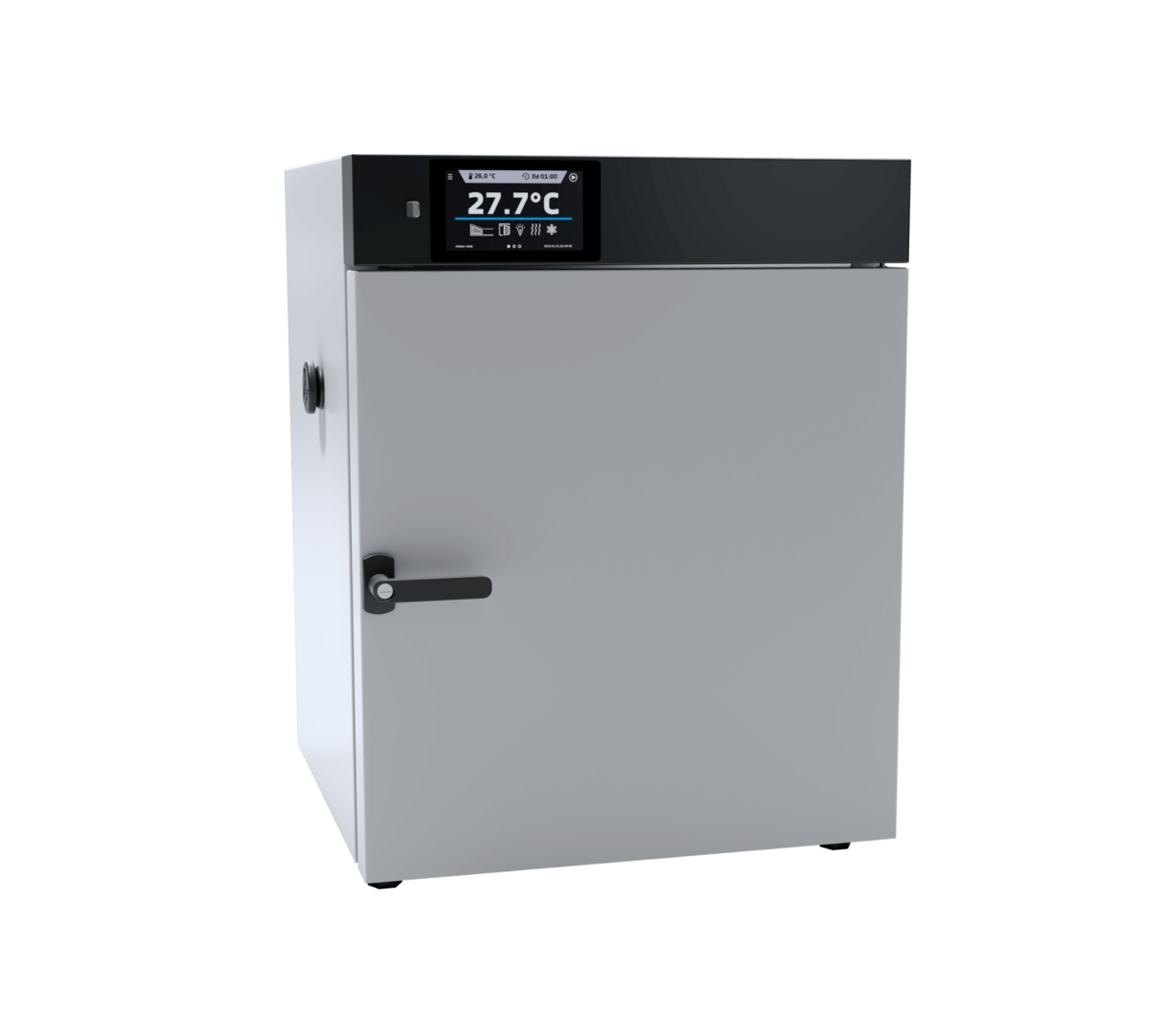
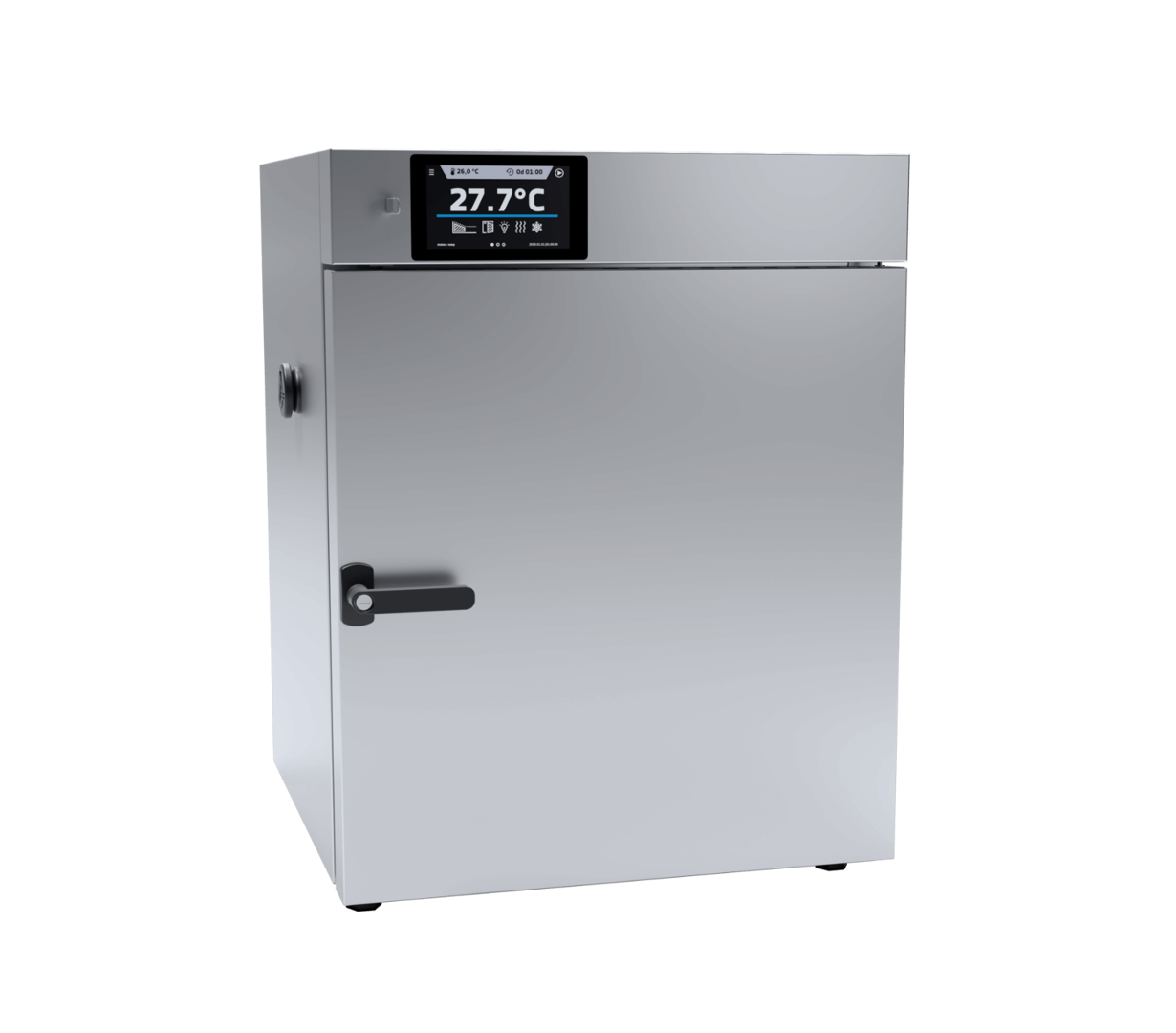
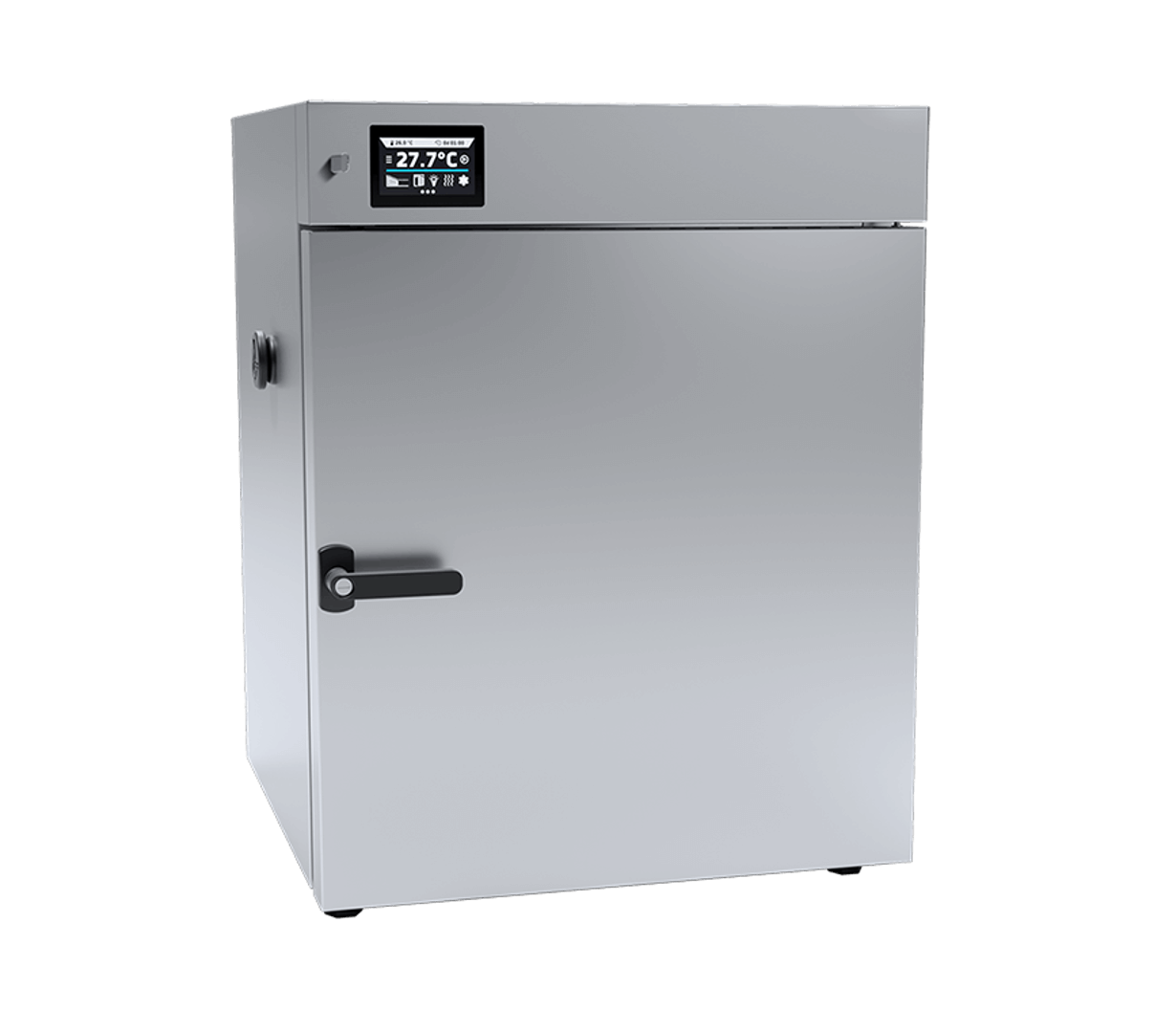
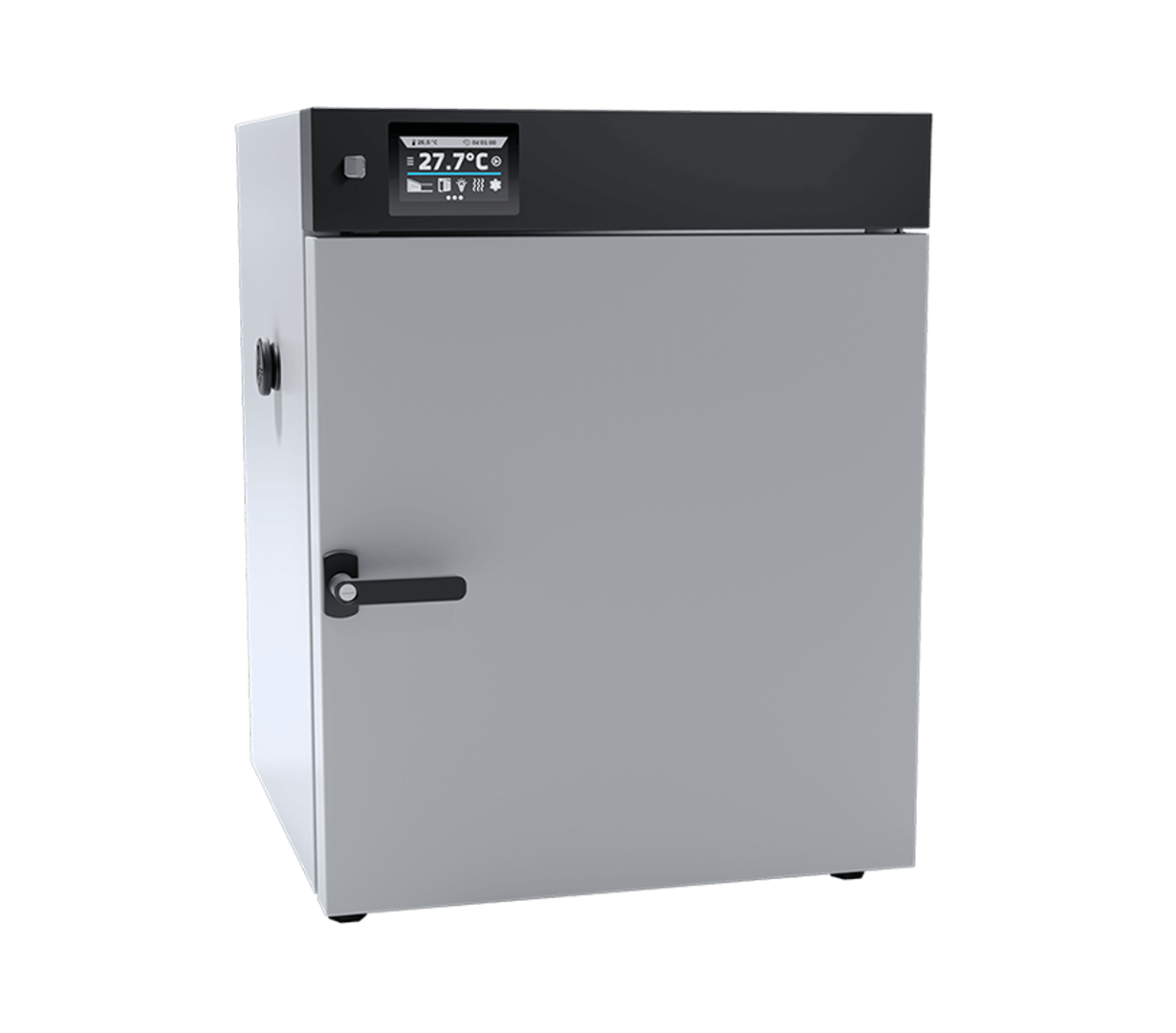
Description
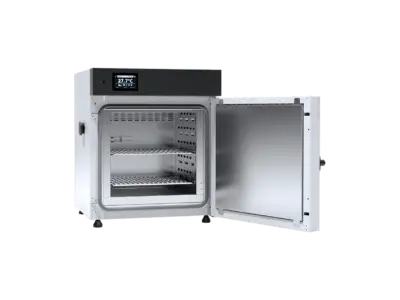
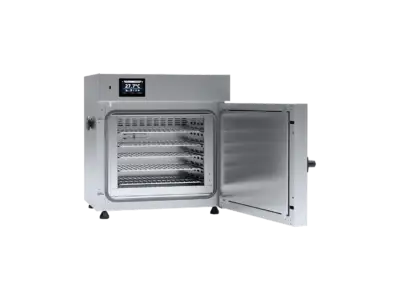
The POL-EKO SLWN 115 is more than just a drying oven; it is a controlled-environment chamber.9 The “N” in the model name signifies its Nitrogen Blow capability, a critical feature for laboratories handling samples that react with oxygen at elevated temperatures.10 By purging the 112-liter chamber with dry nitrogen, the oven displaces oxygen, significantly reducing the risk of sample oxidation, discoloration, or combustion.11+1Precision Nitrogen Control:The unit is available in two specialized versions based on the required level of gas flow monitoring:12SLWN1: Includes a laboratory rotameter that can be officially calibrated, ideal for regulated environments requiring certified gas flow measurement.13SLWN2: Features a technical rotameter (non-calibratable) for standard industrial applications where high-precision flow certification is not mandatory.14Advanced Forced Air & Stability:To ensure the nitrogen is distributed evenly and the temperature remains uniform, the SLWN 115 utilizes forced air convection.15 This setup maintains a temperature variation of only 16$pm$ 2.0?C at 105?C, ensuring that even in an inert atmosphere, every sample is treated consistently.17Intelligent Interface & Documentation:Smart Controller: The 4.3-inch touchscreen allows users to manage both temperature and fan speed.18 It logs all thermal events to internal memory, which can be exported via USB or LAN for audit purposes.19+1Safety & Compliance: The oven features Class 2.0 (Smart) or Class 3.1 (Smart PRO) over-temperature protection.20 It is frequently used for determining moisture content in coal according to ISO 589:2003, which specifically requires nitrogen flow to prevent sample oxidation during drying.21+1Primary Applications:Electronics & Semiconductors: Drying and curing components without oxidation of delicate metal traces.Chemical Research: Thermal treatment of oxygen-sensitive powders and resins.22Fuel Analysis: Determination of total moisture in hard coal and coke (ISO 589).23Pharmaceuticals: Drying of active ingredients that are prone to oxidative degradation.24
Specifications
POL-EKO SLWN 115 Drying Oven Specifications
The SLWN 115 is a specialized laboratory oven featuring forced air convection and a dry nitrogen blow system. It is designed for processes requiring an inert atmosphere to prevent oxidation of samples, such as drying electronic components, aging tests under controlled gas, or pharmaceutical applications.
-
Air Convection: Forced (Fan-assisted)
-
Special Feature: Nitrogen blow system (Inert gas connection)
-
Chamber Capacity: 112 Liters
-
Working Capacity: 112 Liters
-
Temperature Range: +5°C above ambient to +300°C
-
Temperature Resolution: 0.1°C
-
Temperature Fluctuation at 105°C: ±0.2°C
-
Temperature Variation at 105°C: ±2.0°C
-
Controller: Microprocessor PID (Smart or Smart PRO versions)
-
Display: 4.3″ touch screen (Smart) or 7″ touch screen (Smart PRO)
-
Internal Dimensions (W x H x D): 460 x 540 x 440 mm
-
External Dimensions (W x H x D): 660 x 850 x 710 mm
-
Shelves (Standard / Max): 2 / 7
-
Max. Shelf Workload: 25 kg (50 kg for reinforced version)
-
Max. Total Unit Workload: 60 kg (120 kg for reinforced version)
-
Interior Material: Acid-proof stainless steel (DIN 1.4301)
-
Housing Material: Powder coated sheet (Standard) or Stainless steel linen finish (IG version)
-
Voltage: 230V, 50/60 Hz
-
Nominal Power: 2500 W
-
Weight: 65 kg
Nitrogen System Options
The SLWN series is typically available in two configurations depending on the precision required for gas flow:
-
SLWN1: Includes the nitrogen blow system, valves, and a laboratory rotameter that can be calibrated for precise gas flow monitoring.
-
SLWN2: Includes the nitrogen blow system, valves, and a technical rotameter, which provides flow but cannot be formally calibrated.
Core Features
-
Oxidation Prevention: The nitrogen insufflation system replaces ambient air with an inert gas, making it ideal for the thermal resistance analysis of sensitive building materials or electronic parts.
-
Smart Monitoring: Standard safety features include an open door alarm, temperature sensor fail alarm, and a physical door lock.
-
Data Logging: Both Smart and Smart PRO controllers record temperature data and events (like door openings) which can be exported via the built-in USB or LAN ports.
-
Access Port: Features a standard Ø30 mm access port on the left side for introducing external validation probes.